Truck repair costs have been climbing for several years, and 2026 is no exception: parts prices, shop labor rates, and repair timelines have all continued their upward drift, and the effects are landing directly in claim settlement files. A repair estimate written in March may not cover the same work in September. Shop backlogs stretch rental and downtime periods. Supplements — the additional charges discovered once teardown begins — are larger and more frequent. For anyone with an open truck-damage claim, these trends are not background economics; they are active variables in what the settlement will actually cover.
This update explains how rising repair costs interact with the claims process in 2026: where the cost pressure comes from, why estimates go stale, how supplements work and how to manage them, the downtime implications of longer shop stays, and the practical steps that keep your settlement aligned with the real cost of repair. No dramatic predictions here — just the mechanics of a cost trend and what to do about it while your claim is open.
Where the cost pressure comes from
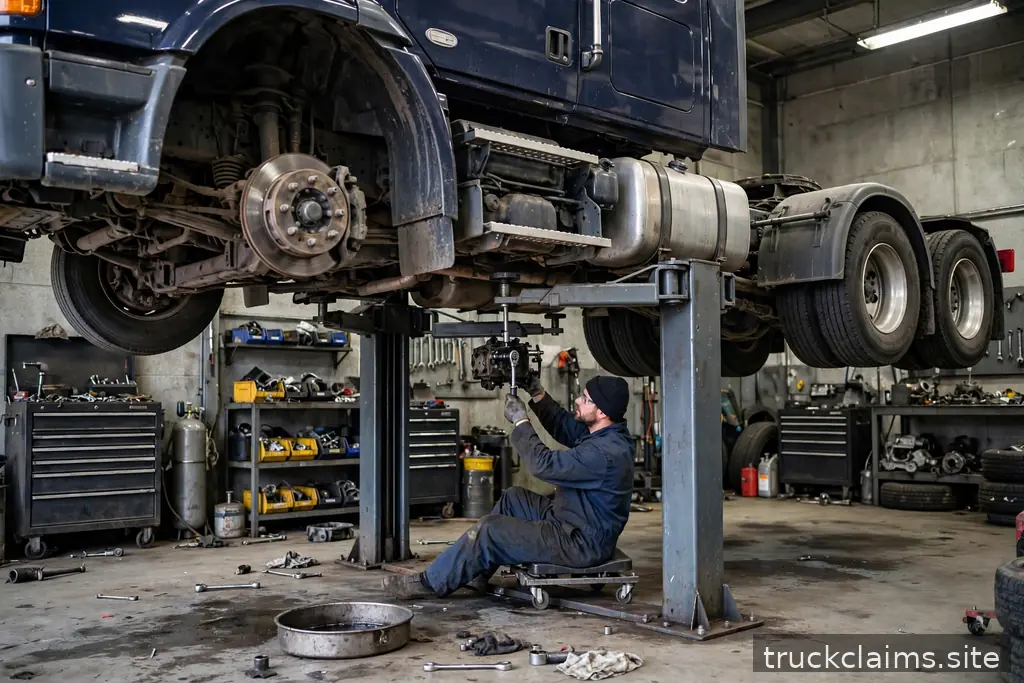
The drivers are familiar and structural. Replacement parts for heavy trucks — from body panels and lighting assemblies to emissions-system components and sensors — have become more expensive as manufacturing costs, logistics, and parts availability have tightened. Shop labor rates have risen as technicians have become harder to recruit and retain; heavy-truck repair is skilled work, and the labor market for it remains tight. Diagnostic time has grown as trucks have become more computerized — a modern tractor’s electronic systems require specialized equipment and expertise to assess, and that assessment time bills at shop rates.
None of this is the claimant’s fault, but all of it lands in the claim file. The insurer’s estimate and the shop’s estimate may diverge more than they used to, simply because the cost environment is moving under both of them. Understanding that the divergence is structural — not necessarily adversarial — helps keep the negotiation productive: the question is not who is being unreasonable, but which cost data is current and complete.
Why estimates go stale — and what to do about it
A repair estimate is a snapshot of prices at a moment in time, and in a rising-cost environment, snapshots age quickly. An estimate written when the claim was filed may be meaningfully understated by the time the truck actually enters the shop weeks later — particularly for parts with volatile pricing or limited availability. The gap between the approved estimate and the actual repair bill is where claim disputes are increasingly born: the insurer approved a number based on older data, and the shop needs a higher one based on current reality.
The countermeasures are straightforward. Get the truck into a shop and get a current written estimate as early in the claim as possible — the fresher the estimate, the smaller the staleness gap. If there is a delay between the estimate and the repair, ask the shop to re-verify pricing before work begins and flag any movement immediately. When you submit the estimate to the adjuster, note its date explicitly so the file reflects its currency. And if the insurer’s estimate is older than the shop’s, that timing difference is a legitimate, documented basis for requesting a re-estimate — frame it as a data-refresh issue, not an accusation, and adjusters will generally engage with it. Preparing thoroughly for the adjuster’s inspection also helps, since a well-documented inspection produces a more accurate initial estimate.
Supplements: the teardown surprise
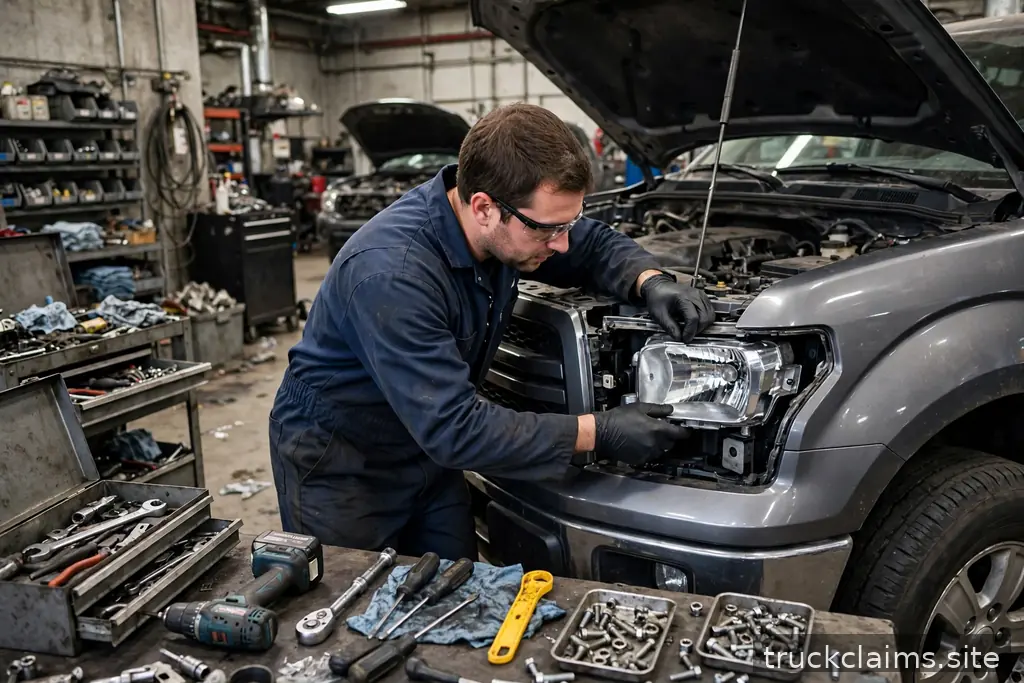
Supplements are additional repair costs discovered after the initial estimate — typically when teardown reveals hidden damage that could not be seen during the visual inspection. In 2026’s cost environment, supplements are both more frequent (aging fleets, more complex damage patterns) and larger (the hidden parts cost more too). A supplement is a normal part of the repair process, not a sign that something went wrong — but it does require the insurer’s approval before the shop proceeds, which adds a round of negotiation and delay to every claim where one arises.
Manage supplements proactively: choose a shop experienced in working with insurers on supplement approvals, because shops that document teardown findings well get approvals faster. Insist that every supplement be documented with photos and a clear explanation of why the damage was not visible in the initial inspection. Notify the adjuster the same day a supplement is identified — same-day notice with photos moves far faster than a supplement discovered at final billing. And build supplement time into your expectations: our realistic claim timelines guide accounts for the extra cycles supplements typically add.
Longer shop stays and downtime costs
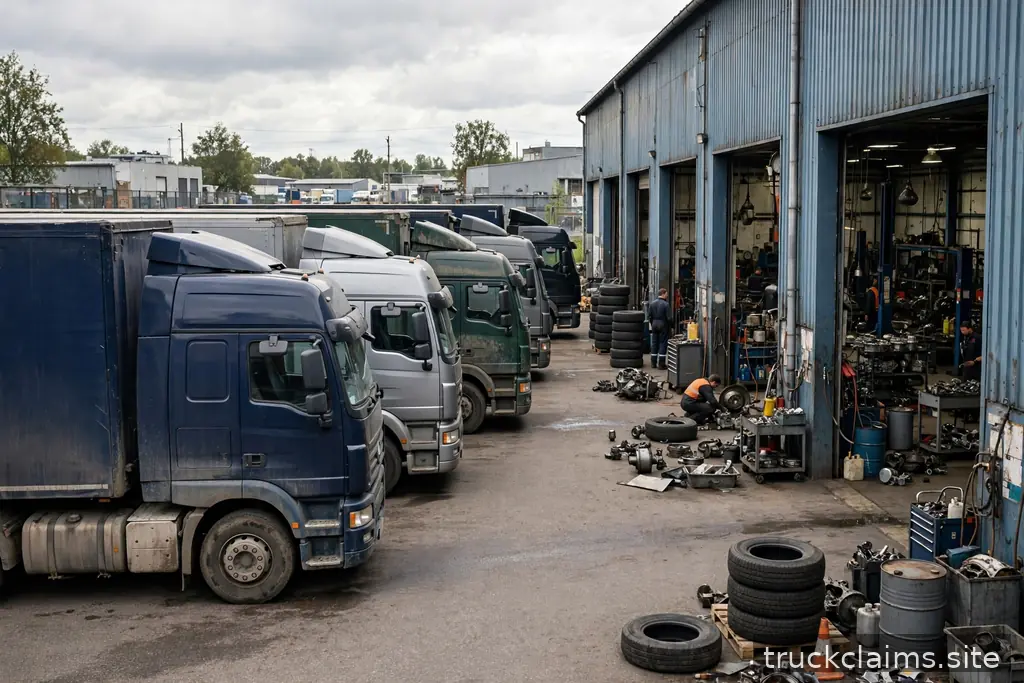
When parts take longer to arrive and shops run fuller schedules, trucks sit longer — and every extra day in the shop is a day of lost revenue or rental expense. Downtime and loss-of-use costs are among the most under-claimed elements of truck-damage claims: many claimants focus entirely on the repair bill and never document or claim the income the truck did not earn while it sat. In a year when shop stays are stretching, this omission costs more than ever.
Document downtime from day one: the date the truck entered the shop, the date it was released, any rental or replacement-vehicle costs with receipts, and your records of the truck’s typical revenue (dispatch records, rate confirmations, or prior-period earnings). Whether your policy or the at-fault party’s coverage compensates downtime depends on the claim type and terms — but you cannot recover what you never documented. Keep a simple daily log of the truck’s status during the repair; it takes a minute a day and it is the foundation of any downtime claim.
Protecting your settlement in a rising-cost year
The through-line of 2026’s cost environment is that passivity is expensive. The claimant who gets one estimate, waits, and accepts the first number will increasingly find the settlement does not cover the actual repair. The claimant who gets current estimates, documents supplements with photos, tracks downtime daily, and communicates proactively with the adjuster will close the gap. None of these steps requires expertise — just organization and promptness.
One structural suggestion: consider the repair timeline when you evaluate settlement offers. An offer that looked adequate against a March estimate may be inadequate against September’s actual costs — and you are entitled to have the settlement reflect the real cost of repair, not a stale snapshot. If the numbers have moved, say so with documentation: current shop estimate, dated, with the specific line items that changed. Adjusters work with current data all day; they understand cost movement when it is shown rather than asserted. In a rising-cost year, the documented claimant is the fully compensated claimant.
The estimate negotiation: getting to the real number
When the insurer’s estimate and the shop’s estimate disagree — increasingly common in 2026 — the path to agreement runs through documentation, not argument. Ask the adjuster for the line-by-line basis of their estimate: which labor rate they used, which parts sources they priced, and the date of their data. Then provide the shop’s line-by-line response identifying the specific divergences. This turns a disagreement about totals into a series of small, resolvable questions about individual line items, and most of them resolve quickly once both sides are looking at the same details.
Three line items deserve particular attention this year. Labor rates: if the insurer’s rate reflects an outdated survey, current shop rate sheets are straightforward counter-evidence. Parts pricing: ask whether the estimate prices original-equipment or aftermarket parts, and whether the priced parts are actually available — an estimate built on unavailable parts is a fiction regardless of its total. Diagnostic and calibration time: modern trucks often require sensor recalibration after body repairs, and this specialized labor is frequently underestimated in initial estimates. A shop that itemizes these elements gives the adjuster something concrete to approve, which is invariably faster than debating the bottom line.
If the negotiation stalls, two escalation paths exist. First, request a re-inspection with the shop present — a joint walkthrough where the shop’s technician shows the adjuster the damage directly resolves more disputes than any exchange of paperwork. Second, invoke your policy’s appraisal or dispute-resolution provision if one exists; these mechanisms exist precisely for good-faith disagreements about repair cost. What does not work is refusing all communication or authorizing the repair at a disputed price and demanding reimbursement later — both weaken your position. Stay engaged, stay documented, and keep every discussion anchored to specific line items and current data.
Frequently asked questions
Can I ask the insurer to update an old estimate?
Yes — and you should when costs have moved. Provide a current shop estimate with a current date, identify the line items that changed, and frame the request as a data refresh. Adjusters re-estimate routinely; the key is giving them current documentation to work with.
Who pays for supplements discovered during teardown?
Supplements for covered damage are part of the claim — but they need the insurer’s approval, ideally before the shop performs the additional work. Same-day notice with photos is the fastest path to approval. Unauthorized additional work can create payment disputes, so keep the adjuster in the loop as teardown findings emerge.
Are rental costs during long shop stays covered?
It depends on the policy or the liability claim: some coverages include rental reimbursement or loss of use, others do not. Check your policy’s terms early, document every day and every receipt regardless, and claim what the applicable coverage allows.
Should I delay repairs hoping costs come down?
Generally no. Delaying repairs extends downtime, lets estimates go staler, and can raise questions about mitigation. The cost trend has been upward, not downward — the rational move is usually to repair promptly with current documentation, not to wait.
Rising repair costs are a 2026 reality, not a 2026 emergency: parts and labor cost more, estimates age faster, supplements run larger, and shop stays run longer. The claimants who adapt — current estimates, documented supplements, tracked downtime, proactive communication — will find their settlements still cover the real cost of repair. The economics changed; the fundamentals of a well-run claim did not.