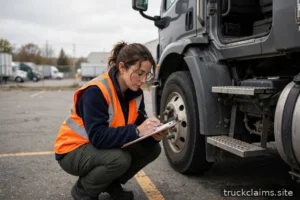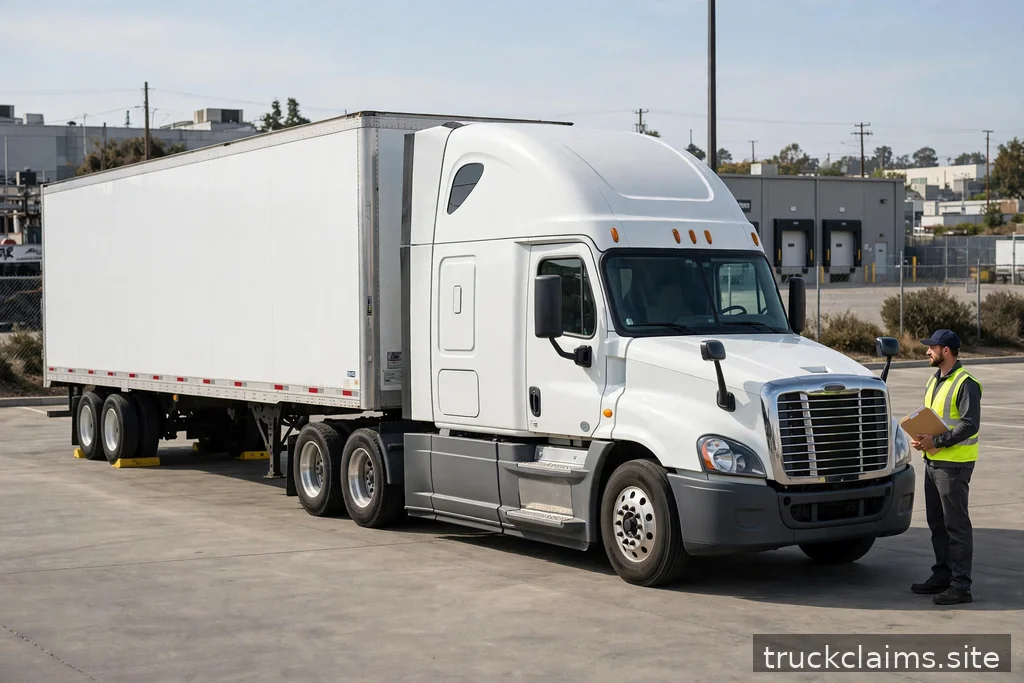
The adjuster’s inspection of your truck is one of the highest-leverage moments in your entire claim. In the course of an hour, the adjuster will form judgments about what damage is accident-related, what is pre-existing, what the repairs should cost, and whether the vehicle is repairable or totaled — judgments that will shape every number in your settlement. Yet most claimants treat the inspection as a passive event: the adjuster shows up, looks around, and leaves, while the claimant waits for a report. That passivity is expensive.
This guide shows you how to prepare actively: getting the truck and the location ready, assembling the documents the adjuster will want on site, walking the damage together instead of watching from the sidelines, and avoiding the mistakes that quietly reduce inspection outcomes. An hour of preparation before the inspection routinely changes the result by more than any other single action you can take in the claim.
Before the inspection: vehicle and location prep
Make the truck accessible and presentable. If it is at a tow yard or shop, confirm the adjuster has access and that the yard knows they are coming — inspections get delayed or cut short surprisingly often because nobody told the lot attendant. If the truck is drivable, clean it reasonably; this is not about cosmetics, it is about visibility — mud and grime hide damage, and an adjuster cannot document what they cannot see. Do not wash away evidence, though: leave fluid leaks, paint transfer, and debris patterns intact, and point them out.
Gather the keys, and if the truck has specialized equipment — liftgates, refrigeration units, custom bodies — make sure those systems are accessible and, if safe, operable for demonstration. Have the truck’s paperwork in the cab or in your folder: registration, recent maintenance records, and the list of aftermarket equipment with receipts. If the damage prevents the truck from being moved to a better-lit area, bring portable lighting or schedule the inspection for daylight hours. The adjuster’s photos become part of the permanent file; you want that file to show the damage clearly, not artistically obscured by shadow.
Documents to have on hand
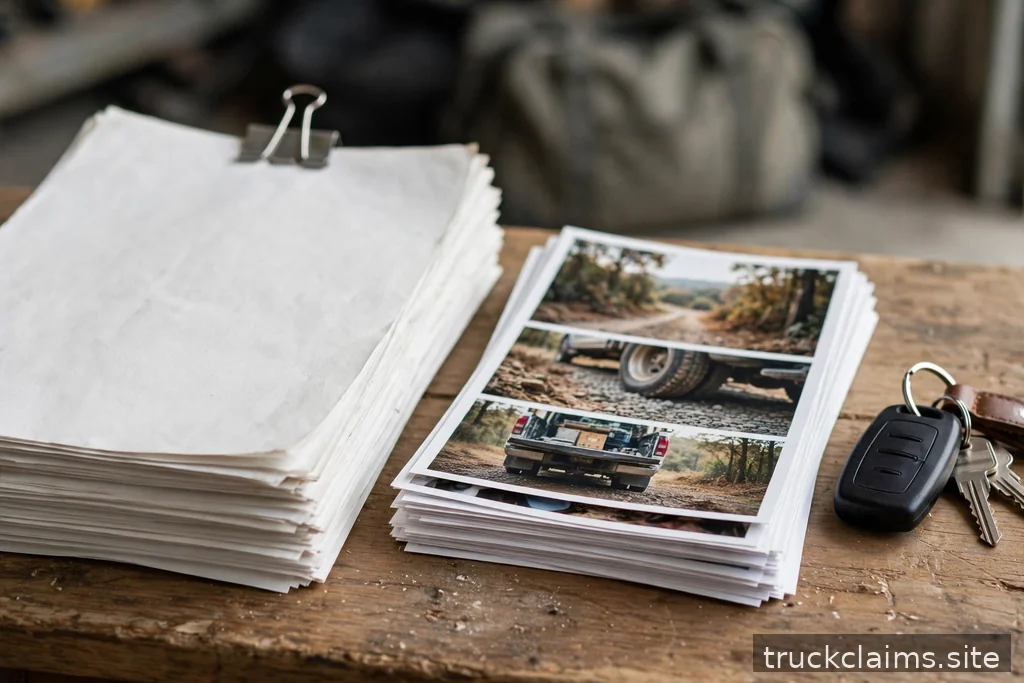
Bring your claim file to the inspection: the police report or report number, your pre-inspection photos and video (showing the damage before any emergency mitigation), maintenance records, the ELD data or logs for the incident period, and any repair estimates you have already obtained. Also bring a written list of all damage you have identified, organized by location on the vehicle — this becomes the walkthrough checklist and ensures nothing gets skipped in the conversation.
If you have already received a shop estimate, share it — but frame it as information, not a demand. “Here’s what our shop found” is collaborative; “here’s what you need to pay” is adversarial, and the inspection has barely started. The adjuster will write their own estimate using their own estimating system, and the two estimates will then be reconciled. Having your estimate in hand lets you ask informed questions about specific line items where they differ, which is far more productive than arguing about the bottom line. For the full document assembly behind this, see our documentation checklist.
Walk the damage together
The single most important thing you can do at the inspection is be present and walk the truck with the adjuster. Claimants who attend inspections consistently get better outcomes than those who do not, for a simple reason: you know your truck, and the adjuster does not. You know which dent was already there and which is new. You know the refrigeration unit was serviced last month. You know the vibration that started after the impact. None of that is visible to a stranger walking around the vehicle for the first time.
Walk systematically — front to back, top to bottom — using your damage list. Point out each damaged area, describe what you observed, and note any functional problems: warning lights, vibrations, steering issues, systems that no longer work. Distinguish clearly between accident damage and pre-existing wear, labeling the pre-existing damage yourself — this honesty builds credibility for everything else you point out. Ask the adjuster what they are seeing and whether they agree with your characterization; their on-the-spot reactions tell you where the eventual estimate may need discussion. Take your own photos during the inspection, including photos of the adjuster photographing the truck — a contemporaneous visual record of the inspection itself.
What to say — and what not to say
Do say: factual descriptions of damage and symptoms, the history of the vehicle’s maintenance, what you observed at the scene, and questions about the process — when the estimate will be ready, what happens next, who to contact. Do not say: opinions about fault (the inspection is about damage, not liability — volunteering fault theories helps no one), guesses about repair costs presented as facts, complaints about the insurance company, or anything about injuries beyond a brief factual mention if asked. The inspection is a technical exercise; keep it technical.
Do not authorize teardown or invasive inspection on the spot without understanding who pays for it. Teardown — removing body panels to reveal hidden damage — is often necessary and usually reimbursable as part of the claim, but confirm with the adjuster before the shop starts billing hours. Similarly, do not agree to a total-loss valuation at the inspection; total-loss determinations involve comparable-vehicle research and valuation disputes that deserve their own careful process, not a parking-lot conversation. If the adjuster floats a number, listen, take notes, and say you will review it when the written estimate arrives.
Hidden damage: the inspection’s blind spot
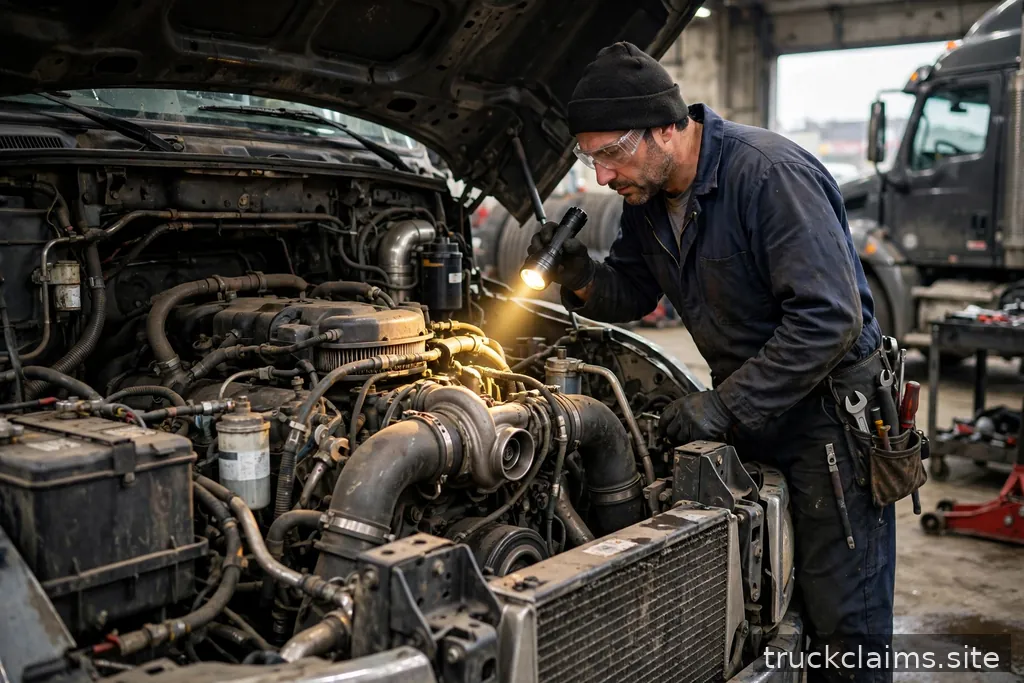
The most consequential inspection failures involve damage that is not visible from the outside: frame misalignment, suspension damage, cracked brackets behind body panels, compromised wiring harnesses, refrigeration system damage that only shows under load. An adjuster’s visual inspection, however thorough, cannot see these — which is why you should specifically raise the possibility of hidden damage and request that the estimate include teardown authorization where warranted.
Frame the request around symptoms and physics, not suspicion: “The impact was at the left rear at highway speed, and there’s a new vibration — I’d like the estimate to include checking the frame and suspension on that corner.” This is reasonable, specific, and hard to refuse. If the initial estimate comes back without teardown and you believe hidden damage exists, get your shop to document the basis — measurements, diagnostic codes, symptoms — and submit it as a supplement request. Supplements are a normal part of truck claims; the first estimate is rarely the last word, especially once repairs begin and more damage is exposed. Our guide to documenting damage with photos and video covers capturing the visible evidence that supports these requests.
After the inspection: locking in the record
When the inspection ends, your work is not done. The same day, write up your notes: what the adjuster examined, what they said about each area, any agreements reached (teardown authorized, additional photos to be sent), and the promised timeline for the estimate. Email a brief summary to the adjuster confirming your understanding — “Thanks for today’s inspection. Per our discussion, you’ll include teardown of the left rear corner in the estimate and have it to us by Friday.” This creates a written record of the inspection while memories are fresh on both sides.
When the written estimate arrives, compare it line by line against your damage list and your shop’s estimate. Flag discrepancies specifically: “Your estimate shows 6 hours for the sleeper panel; our shop quotes 9 based on the attached photos of the crease depth.” Specific, documented challenges get adjustments; general complaints about the total do not. If the estimate omits damage the adjuster saw and acknowledged at the inspection, your same-day email becomes the evidence that it was discussed — which is exactly why you sent it. For how the estimate fits into the broader negotiation — especially with repair costs rising through 2026 — see our 2026 update on rising repair costs and settlements.
Frequently asked questions
Do I have to be present at the inspection?
It is not usually required, but it is strongly advisable. If you genuinely cannot attend, send a knowledgeable representative — a fleet manager, a trusted driver, or your shop’s estimator — with your damage list and instructions to take notes and photos. An unattended inspection is an inspection where your perspective is absent from the record.
Can I choose where the inspection happens?
Usually yes, within reason. The truck needs to be somewhere the adjuster can access and examine it properly — adequate light, space to walk around it, and any needed equipment. If the truck is at a shop, inspections often happen there; if it is at your yard, that works too. Propose a location that shows the truck well.
What if the adjuster and my shop disagree on the repair cost?
This is normal and resolvable. Ask both sides for line-item breakdowns, identify the specific operations or hours in dispute, and provide documentation — photos, manufacturer procedures, additional estimates — supporting your shop’s numbers. Adjusters adjust estimates all the time when presented with specifics; they rarely move on general dissatisfaction with the total.
How long after the inspection should the estimate take?
Typically days to a couple of weeks depending on complexity. If the promised date passes, follow up in writing. If delays stretch beyond what is reasonable, ask for a supervisor and check your state’s claim-handling timelines — many states impose specific deadlines for acknowledging, investigating, and resolving claims.
The inspection is your best opportunity to shape the technical foundation of your claim — the damage list, the estimate, and the record of what was seen and agreed. Prepare the truck, bring your documents, walk every inch of the damage together, speak factually, follow up in writing the same day, and challenge the written estimate with specifics. An hour of active participation at the inspection is worth more than weeks of arguing about the estimate later.